
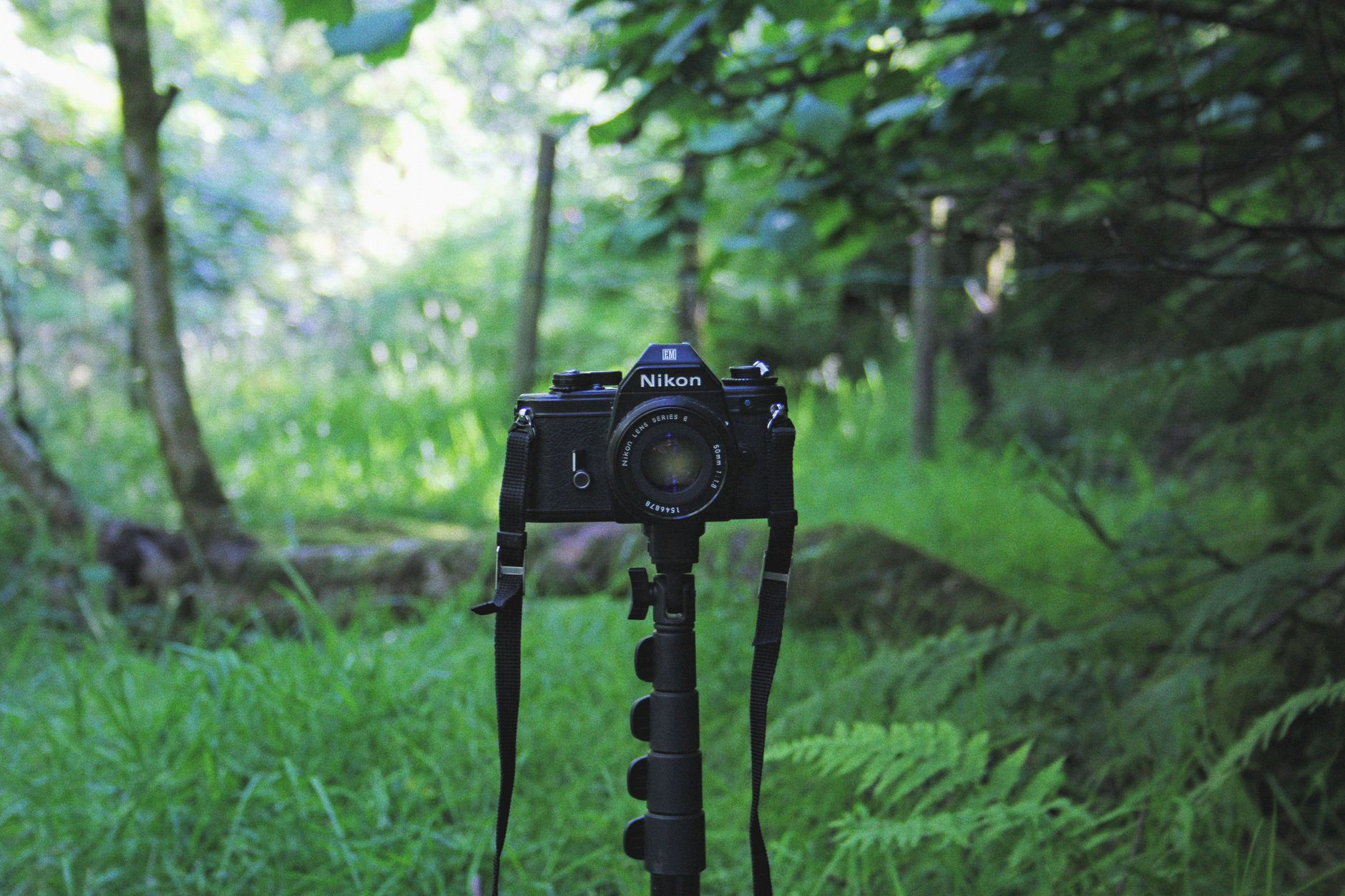
I’ve been shooting for years, and I’ve learned the hard way that a tripod is only useful if you actually bring it with you. For too long, I treated mine like a studio tool, leaving it at home on hiking trips and travel shoots because it was just too heavy and bulky. That changed when I started seriously testing compact tripods designed for adventure photographers. I’ve put several through real conditions, from desert hikes to crowded city streets, and I want to share what I’ve learned.
If you’re like me, you need a tripod that weighs almost nothing, collapses to a packable size, but still holds your camera steady for long exposures and video work. You refuse to compromise on stability just to save a pound or two. You also don’t want to empty your wallet. After months of hands-on testing, I’ve found the tripods that actually deliver on those promises.
1. 3 Legged Thing Leo 2.0 Tripod
I’ll be honest: the Leo 2.0 surprised me. At first glance, it looks almost too simple, with its carbon fiber legs and minimalist design. But when you actually use it, you realize the simplicity is intentional. The Leo 2.0 weighs just 1.3 pounds and collapses down to about 16 inches, which means it fits in most camera bags without any fuss. I’ve carried mine on multi-day hikes without noticing the weight. What impressed me most was the stability. The three legs feel rock-solid when fully extended, and they lock into place with satisfying precision. I’ve shot everything from 20-second exposures with my DSLR to video work without any wobble. The maximum height reaches 55 inches, which is tall enough for eye-level composition without feeling compromised. The price is fair for carbon fiber construction, and it’s built to last.
2. Peak Design Travel Tripod
I tested this one back-to-back with the Leo 2.0, and it’s genuinely excellent if you want something even lighter. At just under a pound, it’s almost featherweight. The reversible center column is clever, letting you shoot macro work or get ultra-low angles. But here’s the tradeoff: it doesn’t extend quite as tall, and it costs significantly more. If ultralight is your top priority and budget isn’t a concern, this is worth considering.
3. Manfrotto Befree Advanced
This one’s the workhorse option. It’s been around for years because it simply works. The ball head is included, which saves you money, and it feels intuitive to use even when you’re tired from hiking all day. It’s slightly heavier and bulkier than the Leo 2.0, but if you need something bulletproof that you can grab without overthinking it, the Befree delivers.
How I Chose These Picks
I evaluated each tripod based on actual use conditions: total weight and packed size (since I’m carrying this myself), maximum height and stability (because the shot matters), build quality and durability (I want this to last), and value for money. I tested them on uneven terrain, in wind, and with various camera setups. I ignored gimmicks and marketing claims, focusing only on what actually works in the field.
My Top Pick
I’m recommending the 3 Legged Thing Leo 2.0 as my top choice because it hits the sweet spot I’ve been chasing for years. I don’t have to think twice about throwing it in my pack anymore. The carbon fiber construction feels premium, the legs extend smoothly, and the stability is genuinely impressive for such a lightweight design. I’ve used it on every type of shoot I do: landscape photography at sunrise, video work while hiking, and even casual street photography where I set it up quickly and move on.
At this price point, you’re getting professional-grade stability without the weight penalty of older designs. I trust it with my camera gear, and I actually use it because it doesn’t feel like a burden. That’s the whole point.