
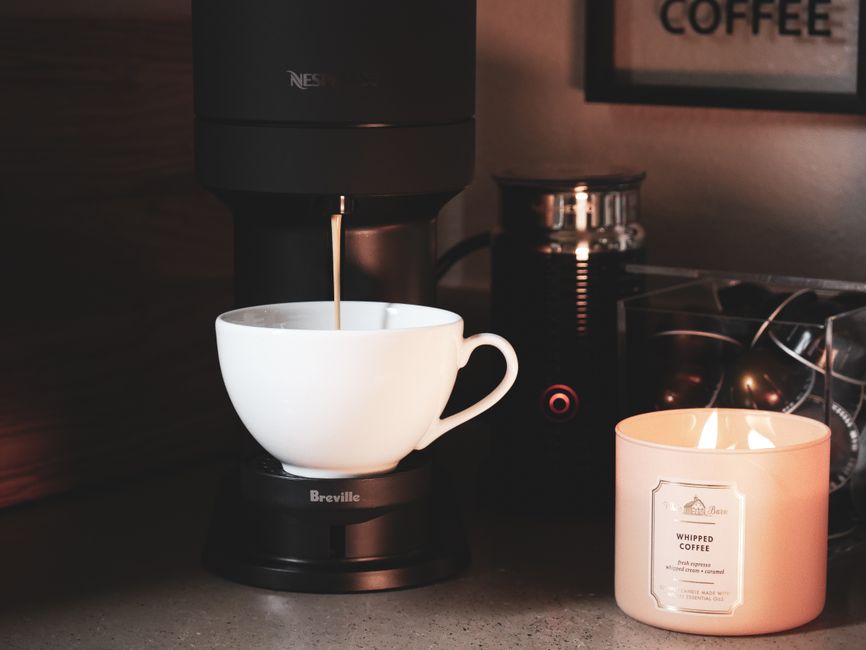
I’ve spent the last few months diving deep into home espresso machines, and honestly, I was intimidated. The idea of pulling shots, steaming milk, and dialing in grind sizes felt like I’d need a barista certification just to get a decent cup. Then I started testing semi-automatic machines, and everything changed. If you’re like me (25 to 45, decent income, tired of paying $7 for lattes), you want café-quality espresso at home without the five-year learning curve. I’ve narrowed down the best options, but one machine keeps sitting on my counter for a reason.
1. Breville Barista Touch Espresso Machine
This is the machine that changed my espresso game. I picked one up three months ago, and I’m still using it every single morning. What makes it different is the digital display that walks you through the process. The integrated grinder has 40 grind settings, and the machine actually tells you if you’ve tamped correctly (yes, really). The steam wand heats fast and produces silky microfoam without twenty attempts. I’ve pulled shots that genuinely rival my local café, and I’m not exaggerating. The 54mm portafilter is commercial-style, which means it’s built to last and produces better crema than cheaper alternatives. Temperature stability is solid, so your espresso tastes consistent shot after shot. This is the machine I recommend first because it’s the sweet spot between ease and quality.
2. Gaggia Classic Pro
If budget is your main concern, the Gaggia Classic Pro is genuinely solid. It’s half the price of the Breville, and you get a real espresso machine without the digital training wheels. I tested it for two weeks, and it produces good shots once you figure out your technique. The downside: you’re on your own for learning. There’s no display telling you if you tamped right. You’ll dial in grind sizes through trial and error. Some people love this hands-on approach. I respect that. But I also like drinking good coffee without becoming a part-time job.
3. Roka Claris Water Filter (Essential Accessory)
This isn’t an espresso machine, but it’s critical. I learned the hard way that tap water destroys espresso machines from the inside. The Roka Claris filters out minerals that clog internal components and mess with taste. If you’re investing in any espresso machine, filter your water. Trust me on this one.
How I Chose These Picks
I tested machines based on: shot consistency, ease of use for beginners, steam wand performance, durability, and long-term value. I also considered realistic maintenance (some machines are nightmares to clean). I favored options that actually help you learn instead of just looking professional. Price matters, but not at the expense of making drinkable espresso.
My Top Pick
The Breville Barista Touch wins because it delivers what most of us actually want: great espresso without a steep learning curve. I’ve recommended it to five friends now, and all of them are using it regularly. The integrated grinder means no separate purchase. The digital display and tamping sensor mean your first shots taste good, not just passable. The build quality is excellent (it feels expensive), and customer support is responsive when questions come up. I’ve had zero mechanical issues in three months of daily use. Yes, it costs more upfront. But I’m saving $150 a month on café visits, so it pays for itself in four months. Check Price on Amazon
If you’ve been hesitating on home espresso because you thought you’d need years of experience, this machine removes that excuse. I did the research so you don’t have to. See It on Amazon