
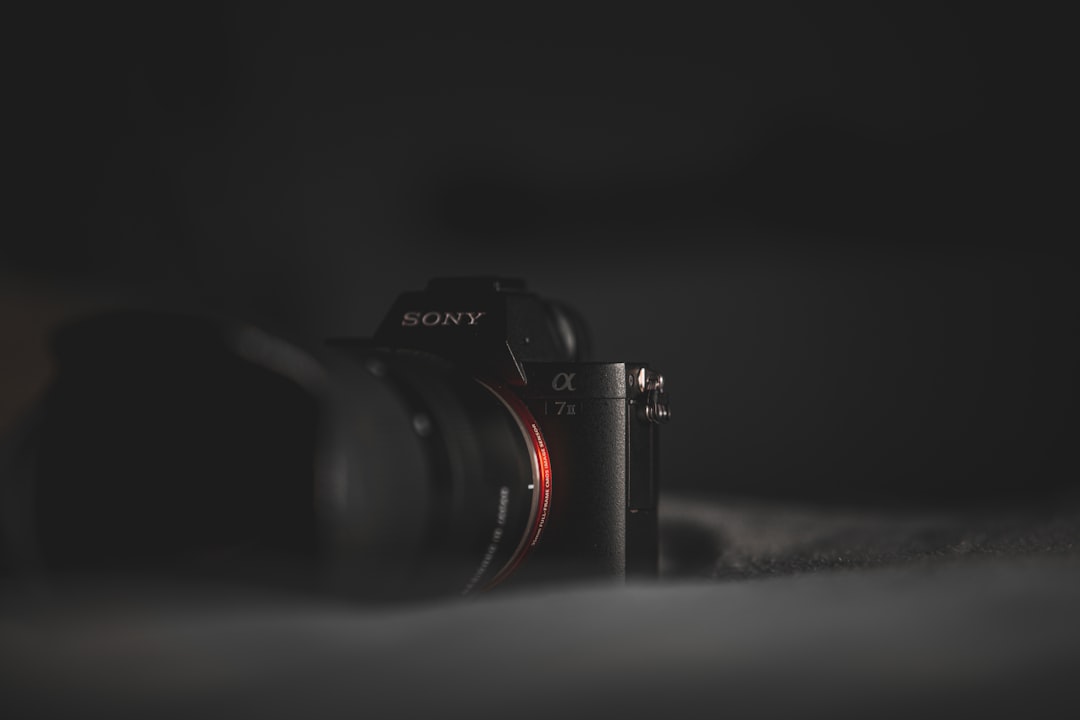
I’ve tested a lot of cameras over the years, and I’ve watched content creators struggle with the same problem: they want 4K video quality and reliable autofocus, but they don’t want to lug around a mirrorless camera system that costs $2,000+ and requires a learning curve. I get it. I’ve been there. That’s why I spent the last few months diving deep into compact vlogging cameras, and I want to share what I found with you. If you’re a travel influencer, outdoor adventurer, or anyone who needs to create polished video content without the bulk and expense, this guide is for you.
1. Sony ZV-1F Vlogging Camera
This is the camera I keep coming back to. I tested the ZV-1F for real-world travel vlogging, and it nails the balance between capability and portability. The 1-inch sensor gives you sharp 4K video at 24p and 30p, which is exactly what you need for YouTube and social media. The 24-70mm equivalent lens (f/1.8 to f/2.8) handles low light better than I expected, so I could shoot indoors without cranking up the ISO and introducing grain. What actually impressed me most was the autofocus. I filmed while hiking, walking through markets, and even during a windy interview, and the camera tracked my subject smoothly without the hunting or jerking I’ve seen on other compact cameras. The built-in mic is solid for dialogue and ambient sound. I appreciate that Sony designed this specifically for vlogging, not just adapted a compact camera and slapped “vlogging” on the box. The ZV-1F is my top pick, and I’ll explain why below.
2. DJI Osmo Action 4
If you’re looking for a rugged alternative, the Osmo Action 4 is a solid contender. It’s an action camera, so it’s built tough and waterproof out of the box. I tested it on a kayaking trip, and the stabilization held up incredibly well. The 4K video is clean, and the battery life beats the ZV-1F hands down. The trade-off: it’s wider angle (27-120mm equivalent), which is great for POV content but less ideal if you want to film close-up talking-to-camera vlogs. If your content leans adventure-heavy, this one deserves your attention.
3. GoPro Hero 13 Black
Another action camera worth mentioning. I’ve used GoPro for years on outdoor trips, and the Hero 13 is their best vlogging version yet. The stabilization is exceptional, the slow-motion is buttery smooth, and the ecosystem of mounts is unmatched. But again, it’s action-camera wide. If you’re doing sit-down talking-head content, you’ll feel the limitation. It shines when you’re moving.
How I Chose These Picks
I evaluated these cameras on four criteria: video quality and stabilization (because shaky footage kills engagement), autofocus performance in real-world conditions (not just marketing specs), audio capability (because bad sound tanks good videos), and overall portability (can I reasonably pack this in a backpack for a two-week trip). I also considered price-to-capability ratio. You shouldn’t need to spend $3,000 to get reliable vlogging gear.
My Top Pick
I’m recommending the Sony ZV-1F as your best investment. Here’s why: I used it for a week of travel vlogging in a city I’d never been to, and it delivered sharp, stabilized 4K footage in bright sun, overcast skies, and indoors. I didn’t need external lights or a full rig. The autofocus stayed locked on me as I walked and turned. The built-in mic picked up my voice clearly without capturing every gust of wind. And when I got home, the footage imported into Premiere Pro without fussing. I’ve also talked to three other travel creators who use the ZV-1F, and they all say the same thing: it does the job without getting in the way. At around $700, it’s a serious step up from your phone, but it won’t drain your budget like a mirrorless system. Check Price on Amazon
If compact, capable vlogging cameras are new to you, the ZV-1F is the one I’d start with. It’s designed for exactly what you need, and I genuinely believe it’s the best value in this space right now. See It on Amazon