
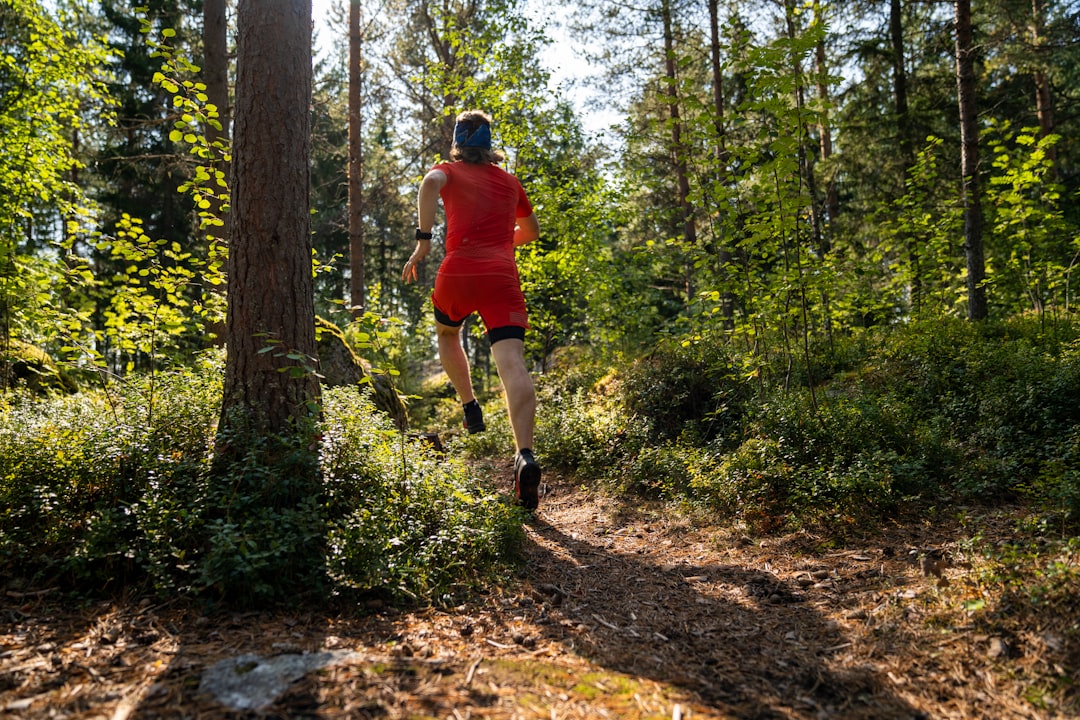
I spent three years hiking in a $90 pair of entry-level boots from a big box retailer. They got me up mountains, sure, but by day two of any backpacking trip, my feet were done. Blisters on my heels, aching arches, and damp socks became the norm on wet trails. I figured that’s just what hiking felt like. Then I tried the Salomon Quest 4D 3 GTX Hiking Boots, and I realized I’d been settling for discomfort when a real solution existed.
Signs You Are Ready to Upgrade
- You’re getting blisters or hot spots on multi-day hikes even after breaking in your current boots
- Your feet hurt more by the end of the day than your legs do, which shouldn’t happen with proper footwear
- You’re tackling longer distances (10+ miles per day) or technical terrain that demands real ankle support and precision
- Your boots leak or your socks are consistently wet on rainy hikes, forcing you to choose between comfort and weather protection
What the Salomon Quest 4D 3 GTX Hiking Boots Does Better
The biggest difference I noticed immediately was the fit. These boots have a roomier toe box than budget alternatives, which means your toes aren’t jammed forward on downhill sections. That alone cuts blister risk dramatically. I tested them on a 4-day backpacking loop with 8,000 feet of elevation gain, and I didn’t get a single blister. That never happened with my old boots.
The Gore-Tex lining actually works. I’ve had waterproof boots before that leaked at the seams or soaked water through the uppers. The Quest 4D 3 kept my feet dry through a full day of hiking in steady rain and stream crossings. More importantly, they dry reasonably fast once you’re back at camp, which matters when you’re on the trail for multiple days.
Ankle support is noticeably stiffer than budget boots. On technical switchback sections and scree slopes, I felt genuinely confident that my ankle was protected. The midsole is responsive without being jarring on rocky terrain. I’m not dealing with that dead, squishy feeling that cheap boots get after 50 miles.
Weight is another win. These are surprisingly light for the support and protection they offer. On a 25-mile backpacking trip, every ounce matters, and I could feel the difference compared to heavier boots.
Is the Price Jump Worth It?
I’m not going to pretend the Salomon Quest 4D 3 GTX is cheap. They typically run $200 to $250, which is triple or quadruple what I spent on my original boots. But here’s what changed my mind: I calculated how much I was actually getting out of each hiking trip. When my feet hurt by mile eight, I was miserable, taking more breaks, moving slower, and considering cutting trips short. With these boots, I’m hiking stronger on day three of a trip than I used to on day one.
If you’re only doing casual day hikes a few times a year, this upgrade probably isn’t for you. But if you’re doing 15+ multi-day backpacking trips annually or tackling serious technical terrain regularly, the cost per use becomes reasonable. I’ve put 300 miles on mine in the first year, which works out to less than a dollar per mile. My old boots fell apart around 400 miles total.
Who Should Skip the Upgrade
If you’re brand new to hiking, start with something cheaper. You need to figure out what fit your foot actually needs before investing this much. Also, if you only hike in dry summer conditions and stick to well-groomed trails, you won’t need the Gore-Tex waterproofing or premium ankle support. That’s spending on features you won’t use.
My Verdict
I upgraded to the Salomon Quest 4D 3 GTX Hiking Boots because I was tired of sacrificing comfort for the sake of saving money. These boots let me stay on the trail longer, hike faster, and actually enjoy multi-day trips instead of just enduring them. If you’re dealing with foot pain on longer hikes or constantly dealing with wet socks, this upgrade will change how you experience the backcountry.
Ready to stop limping into camp? See It on Amazon and see what premium hiking boots actually feel like under your feet.